Mind Body Connections has 18 years of Neurofeedback experience
Neurofeedback
Neurofeedback is a form of brain-based training that helps people learn to regulate their own brain activity. It’s a type of biofeedback for the brain, utilizing real-time information about brainwave patterns to promote healthier, more balanced neural functioning, thereby achieving emotional stability, cognitive clarity, improved sleep, and enhanced stress tolerance. It is commonly used to help manage symptoms of conditions like ADHD, anxiety, PTSD, depression, and chronic tension headaches. But it has also been used to enhance learning and cognitive function, even in those without underlying conditions. Results show improved attention in college students and adults, and increased thinking speed and executive self-control in the elderly. Some people also use it for peak performance, such as athletes, performers, and executives wanting to improve focus or stress resilience.
Benefits of Neurofeedback include:
- Enhanced focus, concentration, and attention
- Improved memory and recall
- Increased processing speed and reaction time
- Increased self-awareness and emotional regulation
- Reduced impulsivity and reactivity
- Reduction in Anxiety and Depression symptoms
- Improved sleep
- Improved cognitive performance
- Addiction Recovery Support
Home Training Neurofeedback
HOW IT WORKS
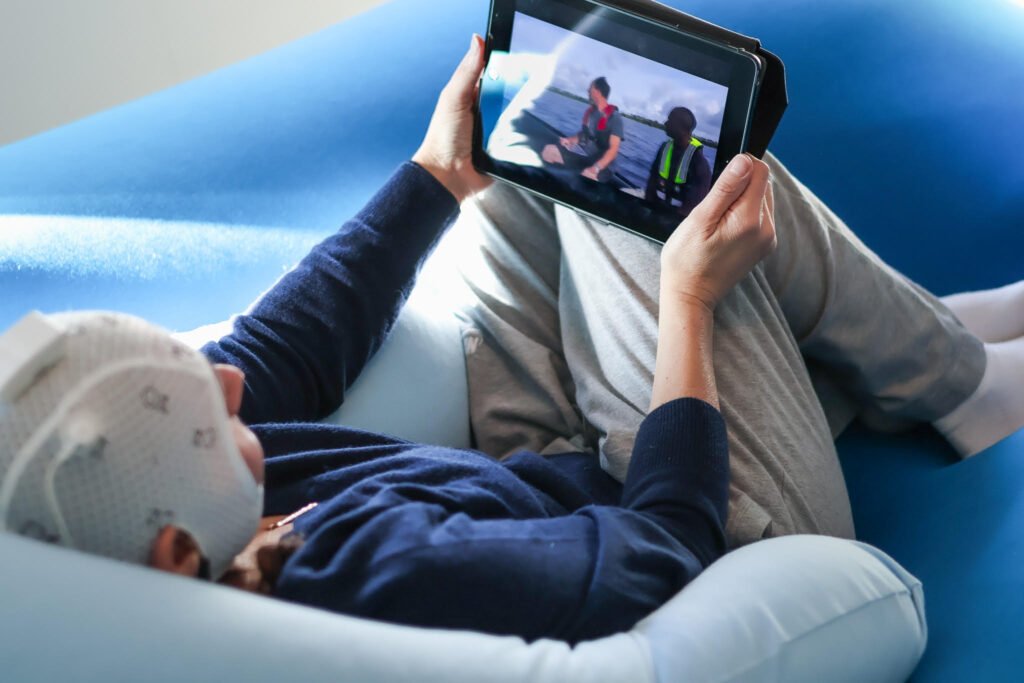
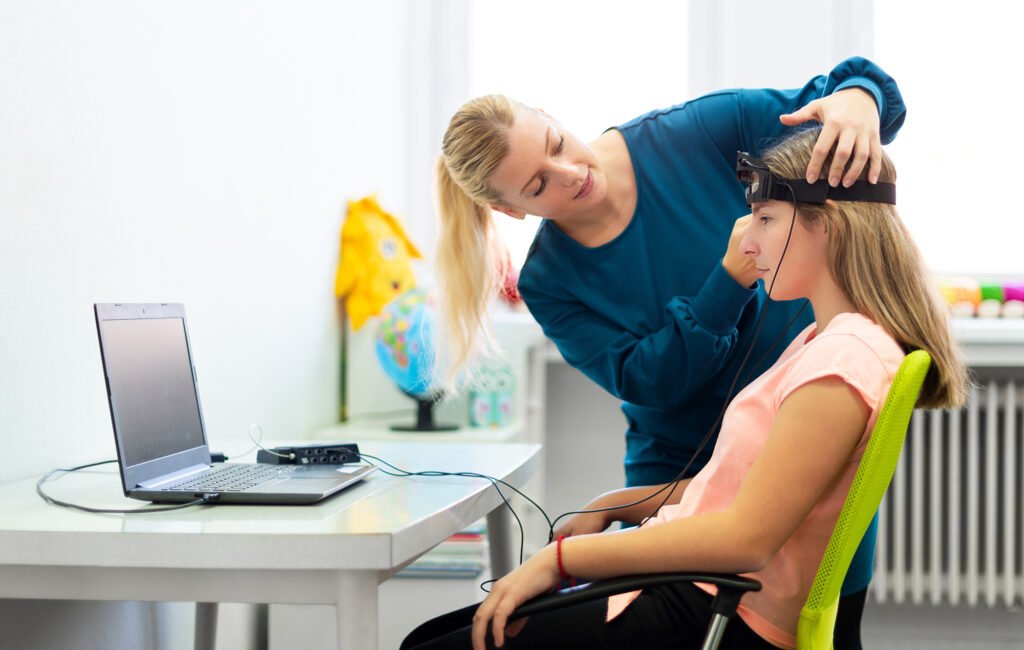
Neurofeedback uses sensors placed on the scalp to measure the brain’s electrical activity. A computer then displays this activity – often through graphs, sounds, or video animations – so the brain can “see itself” in action. Desired patterns are rewarded (such as a screen brightening), and undesired patterns result in a loss of reward. With repeated practice, the brain learns to shift into more optimal patterns and healthier regulatory habits, much like physical exercise strengthens muscles.
Neurofeedback is noninvasive and painless – it only measures naturally occurring electrical activity. In that way, it is similar to an electrocardiogram for your heart. In fact, most people describe it as relaxing, gentle, and similar to meditation. At times, it may feel mentally tiring, but – much like you feel after a workout – it’s in a good way.
Z-Score, Amplitude, Infra Slow Frequency (IFS) and Hemoencephalography (HEG) neurofeedback offered in person.
Now offering 19-channel Whole Brain Training
HOW LONG IT TAKES
As with most health and wellness interventions, individual responses to neurofeedback therapy can vary. The number of neurofeedback training sessions required typically ranges from 20 to 40 sessions or more, depending on factors such as the client’s age and the type, complexity, and severity of symptoms being addressed.
To support optimal results from neurofeedback treatment, foundational lifestyle factors—including proper nutrition, regular physical activity, restorative sleep, adequate hydration, and healthy daily routines—play a critical role in enhancing learning and brain adaptability. In some cases, combining neurofeedback training with complementary therapies or additional supportive resources may help accelerate progress and reduce the overall duration of treatment.
QEEG
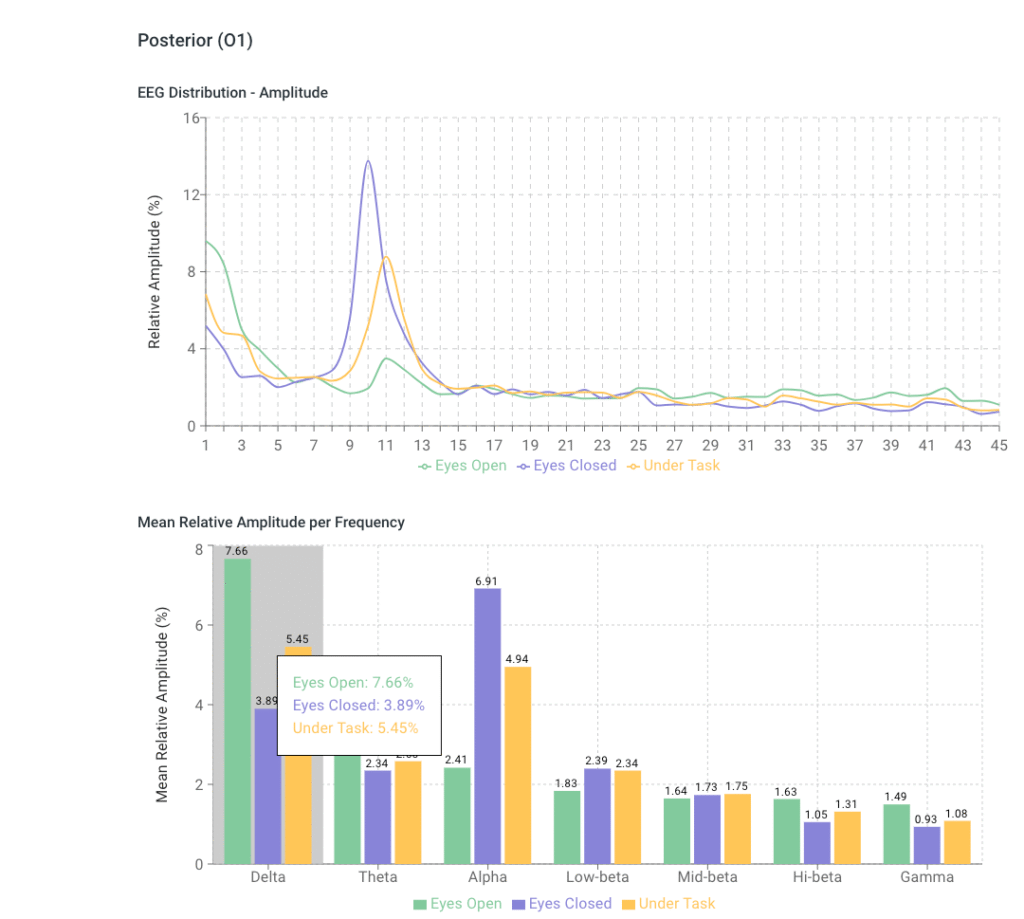
Quantitative Electroencephalography (QEEG) brain mapping provides a non-invasive window into brain functioning to identity the source of symptoms of brain dysregulation. Mapping enables clinicians to seek appropriate interventions tailored to your specific brain activity patterns, helping to reduce anxiety, insomnia and much more.